While I said earlier that game play would be the main
thing that effects how successful a game is, it is true but pure game play alone
gets boring eventually. But that’s where immersion within the game is so
incredibly important after the game play. The games of the modern era usually
always have a plot line nowadays and a character development of some sort.
 It’s just become an essential in the world of game
design. Games like Mass Effect and Dragon age, while not being the best games
in terms of game play and mechanics, certainly make up for that fact with the
sheer amount of depth, story and character gone into those games.
It’s just become an essential in the world of game
design. Games like Mass Effect and Dragon age, while not being the best games
in terms of game play and mechanics, certainly make up for that fact with the
sheer amount of depth, story and character gone into those games.
I love a game with a good character and story, or one
that can connect to me on an emotional level.
From a guy who’s played WoW for 5 years I can tell you
how important immersion and character are to game design. I mean... It kept me
paying £8.99 for 5 years, isn’t that enough evidence already?
It wasn’t the game play that kept me in, that got boring
eventually. It was being in a huge undiscovered world with tons of things to do
and since you were your own character you had the choice of how it developed
for yourself. But I have already explained this before in my previous blog
post.
I really loved the characters in Team Fortress 2, the
whole game was screaming out character to me. And it was really funny and
enjoyable hearing Heavy mow down people with his machine gun and Pyro muffling
through his gas mask. It’s cartoonish atmosphere and art style had a special
charm about itself which kept me playing.

Another interesting gamasutra post talks about immersion
and characters that are real to the game developer itself:
“To create a truly immersive game experience with a
compelling fantasy world, you have to populate that world with real characters.
Not just characters that behave realistically on the screen, but characters
that ARE real to you, the game’s creator. The more you know your own
characters, the more real they will become, and the more they will help draw
the player into your game’s imaginary word. It’s not enough for your characters
to have distinctive speech patterns and tics. They need actual histories,
motives, dreams, and secrets. Then they will have real depth with which pull
the player in, and your fantasy world will become a real place that the player
loves to visit, and can't wait to get back to when they leave.”
 I thought about this quote and thought how cut scenes
link into making the characters come to life to your eyes, showing storylines
and character developments in Hollywood fashion, are almost common place
nowadays in game design. In fact I sometimes only watch game plays of certain
games just to watch the storyline specifically, such as “StarCraft 2: Heart of
the swarm” and the new “Tomb Raider” game as well as all the Devil May Cry
games which I’ll mention later.
I thought about this quote and thought how cut scenes
link into making the characters come to life to your eyes, showing storylines
and character developments in Hollywood fashion, are almost common place
nowadays in game design. In fact I sometimes only watch game plays of certain
games just to watch the storyline specifically, such as “StarCraft 2: Heart of
the swarm” and the new “Tomb Raider” game as well as all the Devil May Cry
games which I’ll mention later.
Character Personalisation and customisation in games have
also become a huge factor in game design too, to fully immerse the player and
to make them feel like its their own character, tons of personalisation and
customisation has been added into new games, which is a brilliant idea. It really
immerses the player and gives a sense of belonging and attachment to your virtual
character, as well as achievement, linking in with the reward system I talked
about in my earlier blog post.
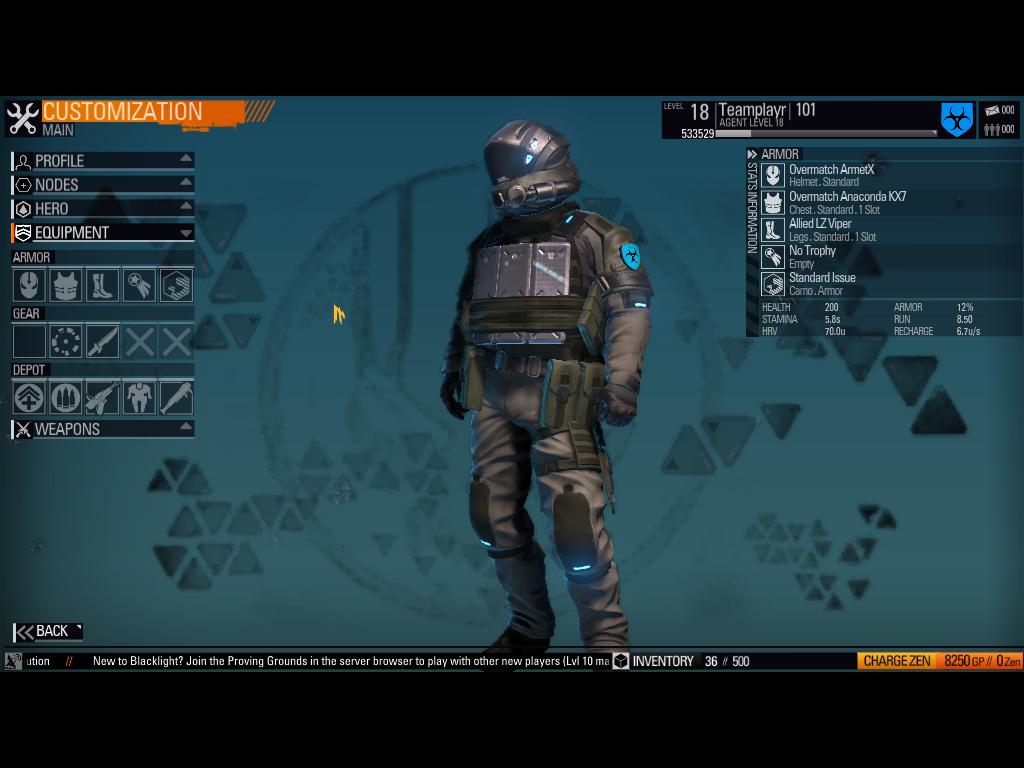 Games like Blacklight Retribution, WoW, Skyrim, Dragon
Age, and many more really do a fantastic job of giving a sense of value to your
character. More and more game companies are learning that customisation and rewards
are one of the things that keep the player hooked. Heck even a game like Fruit
Ninja had me addicted to it, since I wanted to collect all the different styles
of blades and swords they had to offer. And the beat my 8 combo streak of
fruits I just blitz.
Games like Blacklight Retribution, WoW, Skyrim, Dragon
Age, and many more really do a fantastic job of giving a sense of value to your
character. More and more game companies are learning that customisation and rewards
are one of the things that keep the player hooked. Heck even a game like Fruit
Ninja had me addicted to it, since I wanted to collect all the different styles
of blades and swords they had to offer. And the beat my 8 combo streak of
fruits I just blitz.
I remember when I first heard of devil may cry and saw
its amazing brilliant sword fighting mechanics and game play, but what really
sold me and brought me into the game was the Characters, Dante, a Bad-ass half
demon slaying demons and protecting humanity as well as being the coolest
funniest calmest character in the game really entertained me. And I’m now a
huge fan of the franchise just for the character and story developments. I saw
the behind the scenes footage for the devil may cry 3 cut scenes and they had
all these stuntmen from Hollywood doing crazy action and jumping scenes wearing
motion capture suits just for the cut scenes because it was that important.
The industry is changing and for the better, with better
characters visuals, story lines and more immersion and customisation than ever,
as well as the ability to attach players to their characters emotionally, it’s
where the industry is heading and where I want it to go further.


